Natural Fibre Textile Storage
Moths, Humidity, and Seasonal Closet Care
Reference information on storing wool and cotton garments in Canadian households — covering clothes moth biology, humidity thresholds, cedar and lavender use, and seasonal wardrobe rotation across Canada's climate zones.

Articles
Textile Storage Reference
Practical guidance on natural-fibre garment care for Canadian households, updated May 2026.

Cedar Blocks and Natural Moth Repellents
How eastern red cedar oil, lavender, and other natural compounds work as moth deterrents — and where their limits lie in protecting stored wool.
Read article ›
Wool and Cotton Storage: Managing Humidity
How relative humidity affects natural fibres during long-term storage, and practical steps for managing moisture in Canadian basements and closets.
Read article ›
Seasonal Closet Rotation in Canadian Homes
When and how to switch between winter and summer wardrobes across Canada's climate zones — with folding techniques for wool and cotton garments.
Read article ›Key Topics
What This Site Covers
Clothes Moth Biology
The webbing clothes moth (Tineola bisselliella) is the species most commonly found in Canadian homes. Larvae — not adults — cause fabric damage by feeding on keratin in wool, cashmere, silk, and fur. Understanding the lifecycle helps in targeting prevention effectively.
Cedar and Natural Deterrents
Eastern red cedar (Juniperus virginiana) releases volatile aromatic oils that deter adult moths from laying eggs in treated areas. Cedar blocks lose potency over time and require periodic maintenance. Lavender sachets provide a complementary deterrent with a shorter effective lifespan.
Humidity and Natural Fibres
Wool and cotton are hygroscopic — they absorb and release moisture from the surrounding air. Storage in conditions above 70% relative humidity creates mould risk; below 30% RH increases fibre brittleness. The practical target range for residential storage is 40–60% RH.
Seasonal Rotation in Canada
Canada's climate zones — from the Atlantic provinces through the Prairies to coastal BC — each have distinct rotation timing. Cleaning garments before storage, inspecting for damage, and choosing appropriate containers are consistent requirements across all regions.
Moths
Identifying Clothes Moths in Canada
Two species account for most textile moth damage in Canadian homes: the webbing clothes moth (Tineola bisselliella) and the case-bearing clothes moth (Tinea pellionella). Both species avoid light and are most active in undisturbed, enclosed spaces — exactly the conditions that describe seasonal storage.
Adults are small (roughly 6–8 mm wingspan), buff or golden in colour, and fly weakly. Seeing adult moths near a closet or storage area is a reliable indicator of a nearby population. Larvae are white with a darker head and may be found inside a portable silk case in the case-bearing species.
Cedar & Moth Repellents ›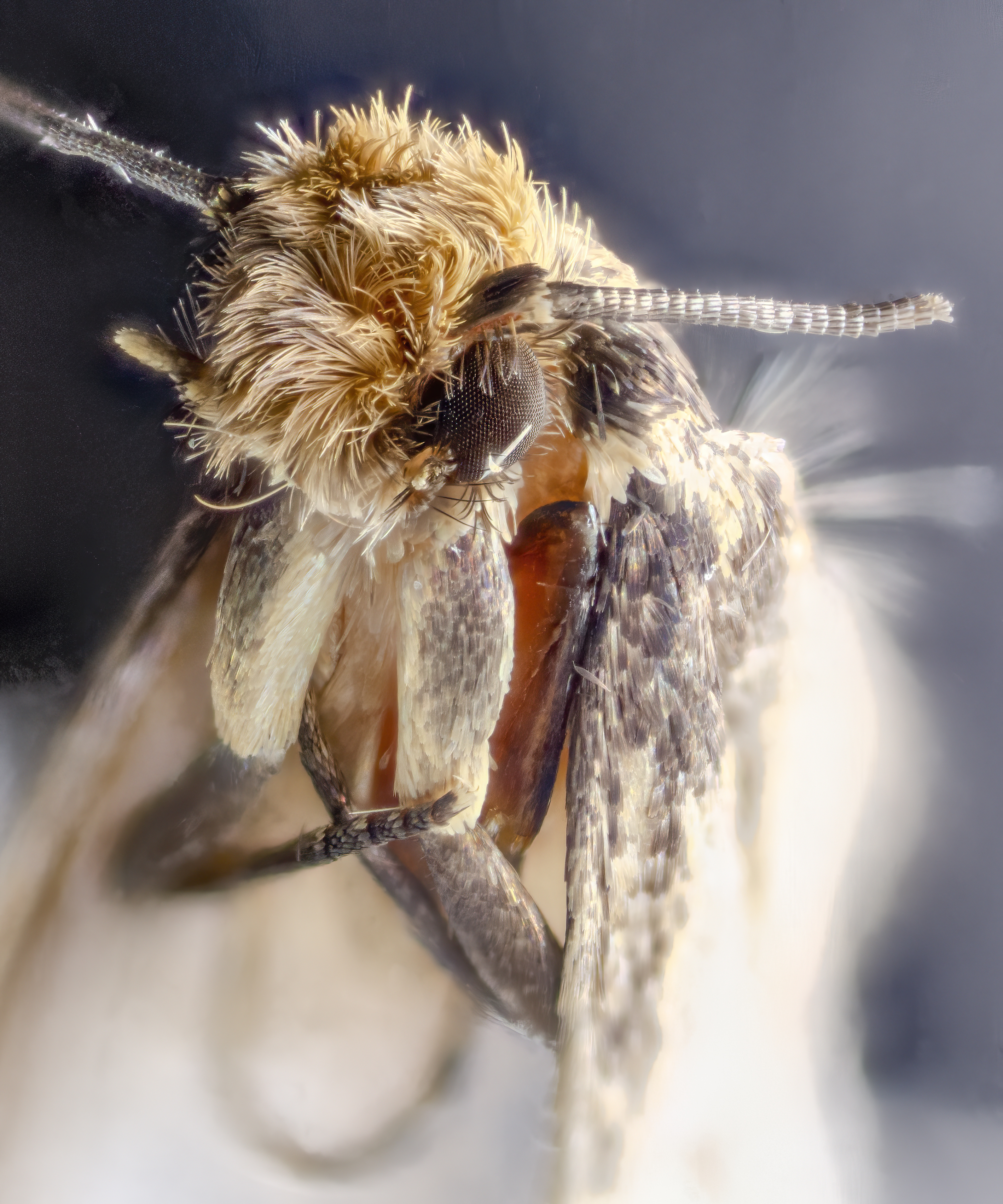
Clothes moth. Image: Wikimedia Commons (CC)
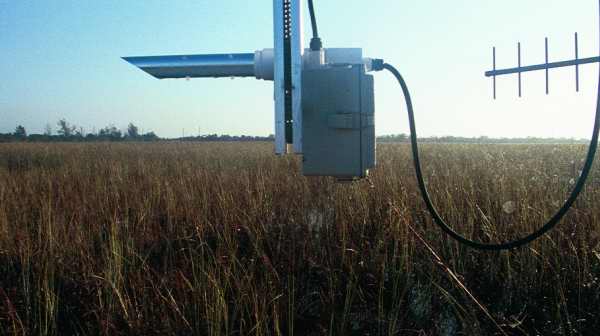
Humidity sensor. Image: Wikimedia Commons (CC)
Humidity
Monitoring Storage Conditions
Canadian basements experience significant seasonal humidity variation. Summer humidity regularly exceeds 70% in uncontrolled basements in Ontario, Quebec, and Atlantic Canada — a level that supports mould growth in stored textiles within weeks.
Inexpensive digital hygrometers placed in storage areas provide real data for decision-making. A portable dehumidifier or desiccant packets address the problem in different scale contexts — a dehumidifier for basements, desiccant packets for sealed bins and cedar chests.
Humidity Guide ›Contact
Get in Touch
Questions or corrections about content on this site can be submitted here.
Postal Address
PO Box 4412
Halifax, NS B3J 0A1
Canada
info@warmthread.org